
In an intentional effort to foster deeper unity and rapport across all grade levels, Logan-Magnolia Schools is transforming how students connect across campus. While the district’s students have long shared a single physical location, their daily schedules traditionally kept them in separate worlds—elementary students on one end of the building and middle and high schoolers on the other.
To bridge these gaps, Logan-Magnolia Schools is launching Family Groups, a whole-district initiative designed to unite students across all grade levels into permanent, supportive peer networks ensuring every student feels supported from kindergarten through graduation. Each Family Group will bring together a small, intentional cross-section of students from kindergarten through twelfth grade, paired with staff advisors. These multi-age groups will meet multiple times throughout the year and then remain together year after year–and as older students graduate, incoming kindergarteners will join the family, creating a lasting community structure within the school.
How Family Groups Support Student Growth and Learning
1. Building Authentic Connections Across All Ages
By bringing together children who might otherwise never interact, Family Groups break down traditional age barriers and social silos. Elementary students gain a wider circle of support beyond their immediate classmates, while older students broaden their social perspectives, fostering empathy and a true sense of a unified K-12 school community.
2. Developing Communication Skills and Confidence
Participating in structured discussions, team-building activities, and collaborative projects allows students to practice crucial interpersonal skills. Younger students learn to express their thoughts, ask questions, and share ideas in a supportive, low-stakes environment. Meanwhile, older students practice active listening, encouragement, and adapting their communication to connect with younger peers.
3. Unlocking Leadership Potential in Middle and High Schoolers
One of the most transformative elements of Family Groups is the opportunity it creates for older students. High school and middle school members are given real responsibility as mentors, guides, and role models. Many students who may not see themselves as traditional leaders—in athletics, academics, or formal clubs—discover their capability to inspire and guide others. "Family Groups give our middle and high school students a unique platform to step up as mentors and role models," said Blake Dickinson, Secondary Principal. "For many of these students, it’s the very first time they begin to see themselves as true leaders.” Being looked up to by younger students builds deep personal confidence and instills pride in setting a positive example.
4. Cultivating a Safer, Engaged Culture
When students know each other by name across all grade levels, the entire school environment shifts. Hallways, lunchrooms, and shared spaces become friendlier and more welcoming. Younger students feel safer knowing they have familiar older peers watching out for them, and older students take greater ownership of maintaining a positive, respectful school culture. "Any time you can create connections across age ranges, it gives younger kids an immediate anchor in our school," said Jill Kiger. "It provides a continuous source of positivity and belonging, giving them familiar faces they know and trust when they are at school."
Family Groups are shaping the next generation of Panther leaders, giving older students the confidence to lead and younger students the support to thrive.
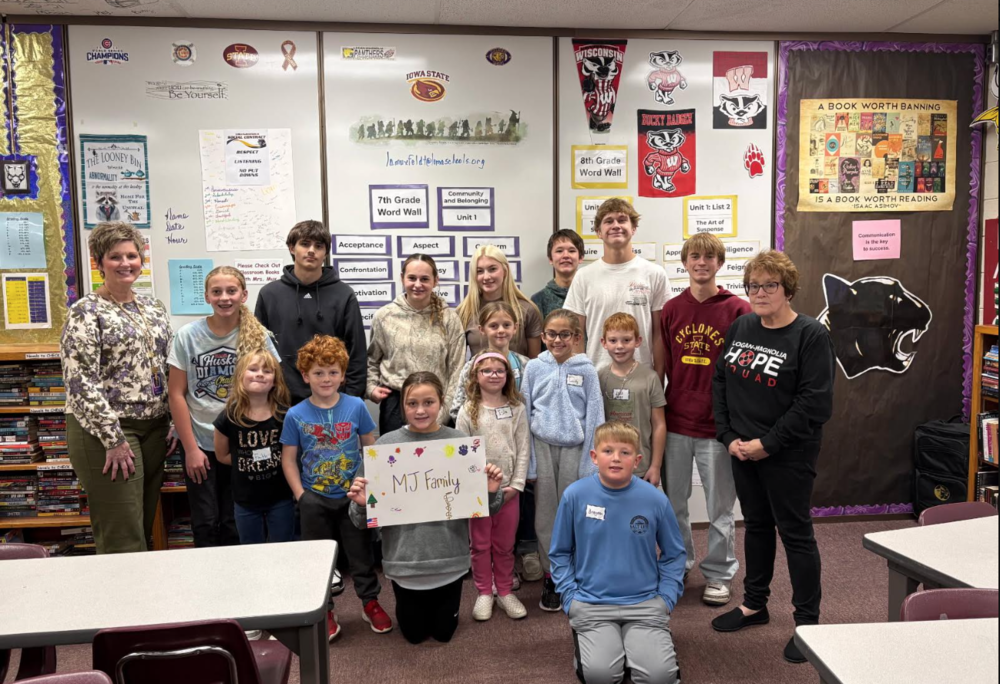
Logan-Magnolia Schools Implements Family Groups for all K-12 Students
November 10, 2026